10 Things That Surprised Me About Everyday Life in Barcelona

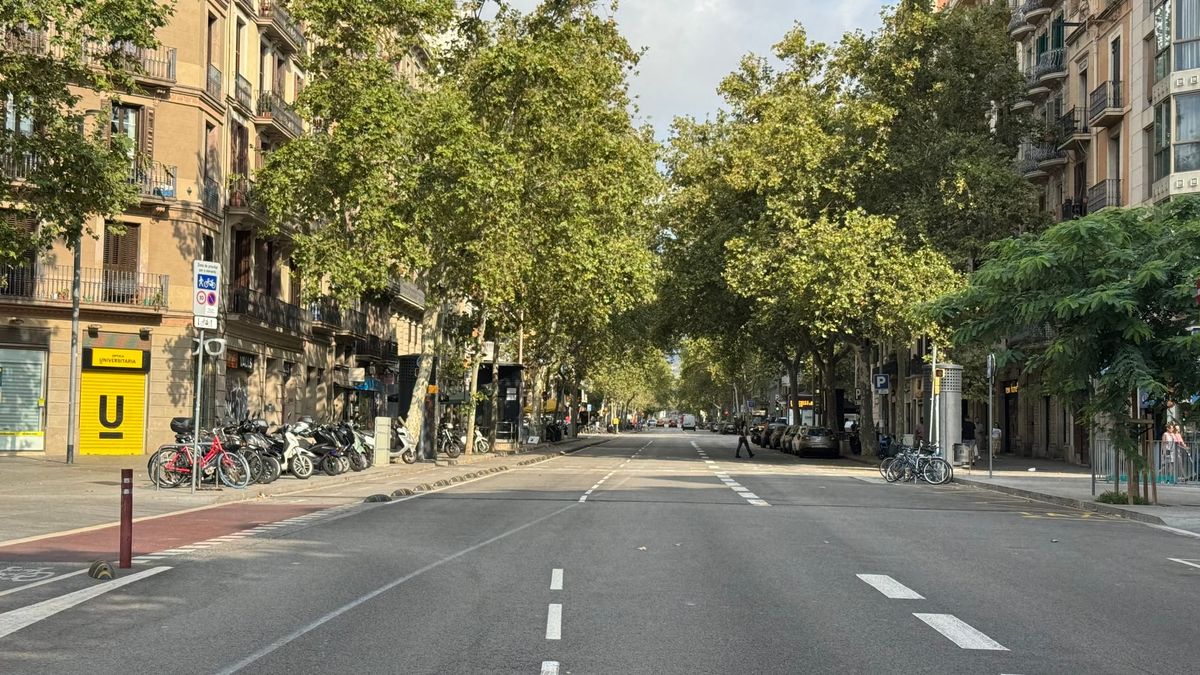
Before I started spending so much time in Barcelona, I thought I knew what might surprise me.
Late dinners, perhaps. The heat. The usual things that appear in countless articles about Spain.
It turned out that the things that caught me off guard were much smaller.
They were words I misunderstood, habits I had to unlearn and tiny details of everyday life that would probably never make it into a guidebook. Nothing particularly dramatic. Just those brief moments when the system you have been using all your life suddenly produces the wrong answer.
Here are ten of mine.
1. I was convinced that Zolty was Polish
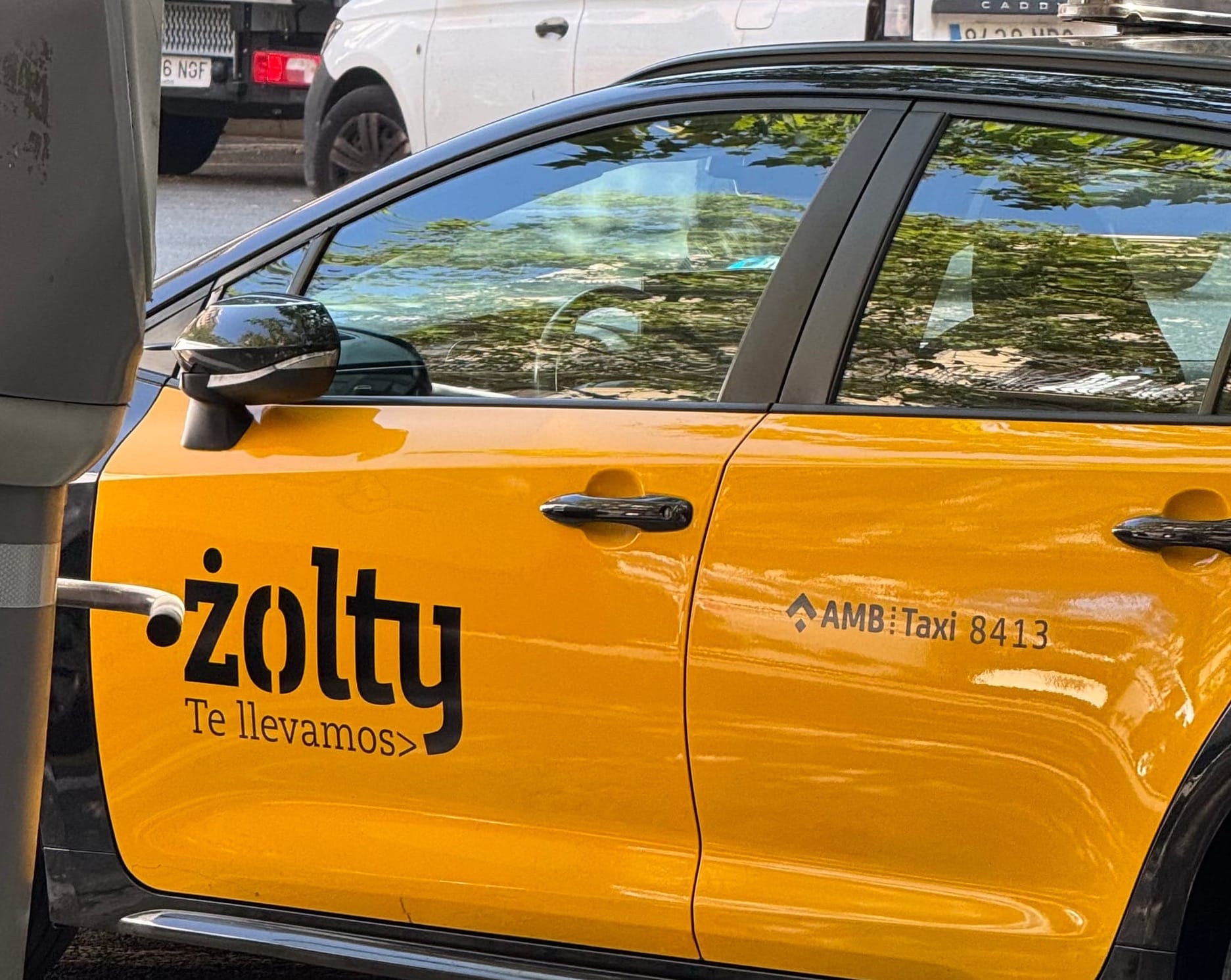
The first time I noticed the word Zolty on the side of a Barcelona taxi, its meaning seemed perfectly obvious.
Żółty is the Polish word for yellow. Barcelona taxis are yellow and black. I assumed the company must be Polish, or perhaps founded by someone with Polish roots.
It all fitted together so neatly that I did not even question it.
Except that Zolty has nothing to do with Poland.
My brain had simply found the most familiar possible explanation and confidently treated it as fact.
2. A green pedestrian light is not an invitation to take your time
This one required a surprisingly quick adjustment.
In Poland, I was used to seeing a green pedestrian light from a short distance away and thinking: I can still make it.
Barcelona cured me of that instinct.
The green phase can be remarkably short. Once it starts flashing, I no longer interpret it as an invitation to hurry towards the crossing. If I am already halfway across, fine. If I have not started yet, I wait.
And when the light turns red, cars can start moving almost immediately.
It is such a tiny thing, but it changes one of those automatic behaviours you never realise you have until suddenly it stops working.
3. Nine in the morning can be a perfectly normal time to open a grocery shop
Coming from Poland, this took some adjustment.
I was used to grocery shops opening very early. Six or seven in the morning did not seem particularly remarkable. In Barcelona, I was genuinely surprised by how often I encountered opening times around 9 a.m., particularly among smaller neighbourhood shops.
There is nothing wrong with it. It simply required recalibrating another tiny assumption: leaving home early in the morning does not necessarily mean that the shop you want will already be open.
4. Every neighbourhood feels like a different city
Before living here, Barcelona existed in my head as one place.
Now it often feels like several cities sharing the same metro system.
Sant Antoni does not feel like Gràcia. Poblenou has a different rhythm from Eixample. Barceloneta follows yet another logic. The architecture changes, but so do the shops, the people in the streets and the general tempo of everyday life.
Sometimes a twenty-minute walk is enough to feel as though you have entered another version of Barcelona.
It is one of the things I like most about the city: there always seems to be another Barcelona just a few streets away.
5. Cars here exist in a permanent game of Tetris
I do not drive in Barcelona, but I spend enough time in the passenger seat to notice how little space cars are expected to occupy.
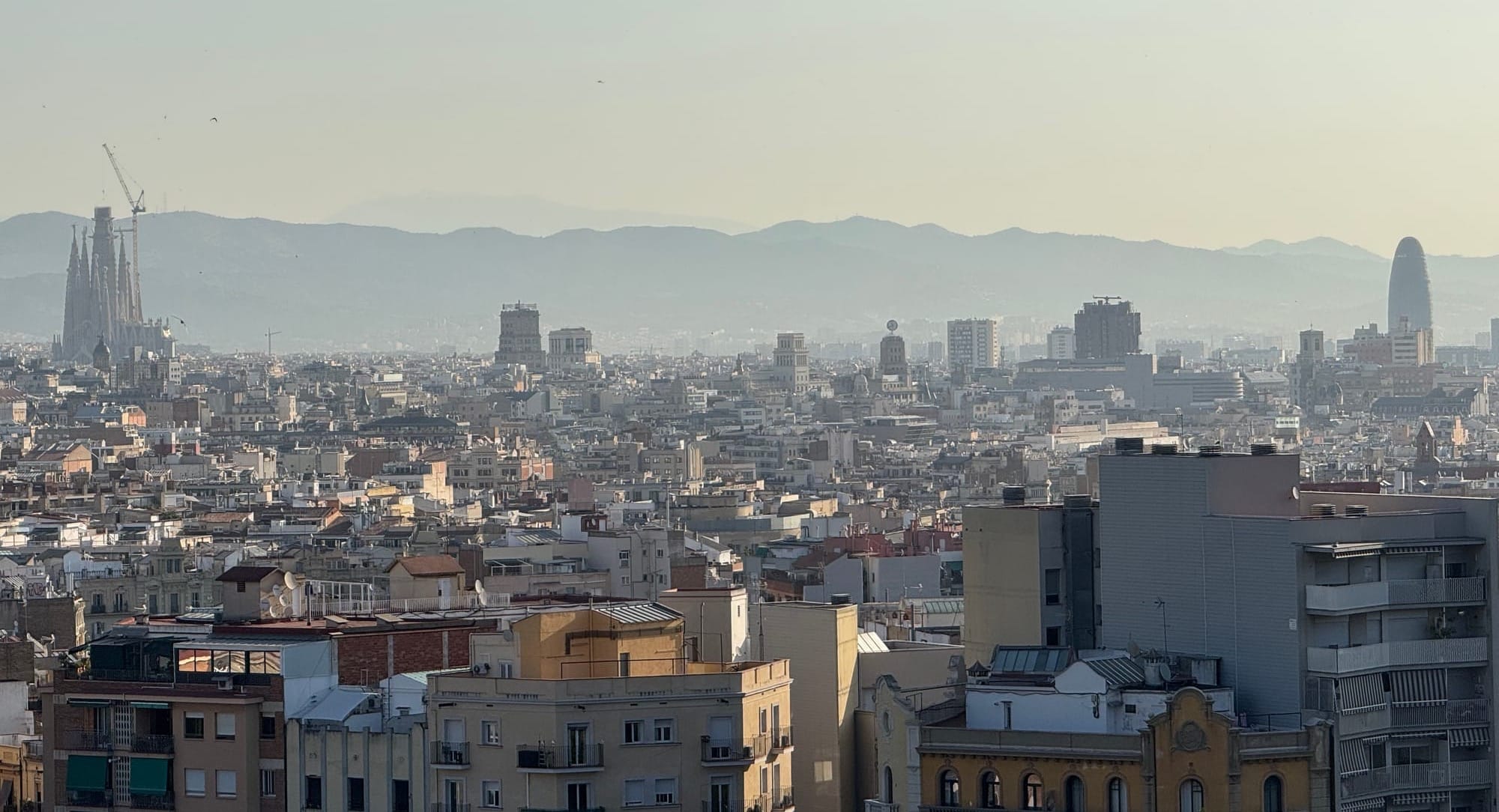
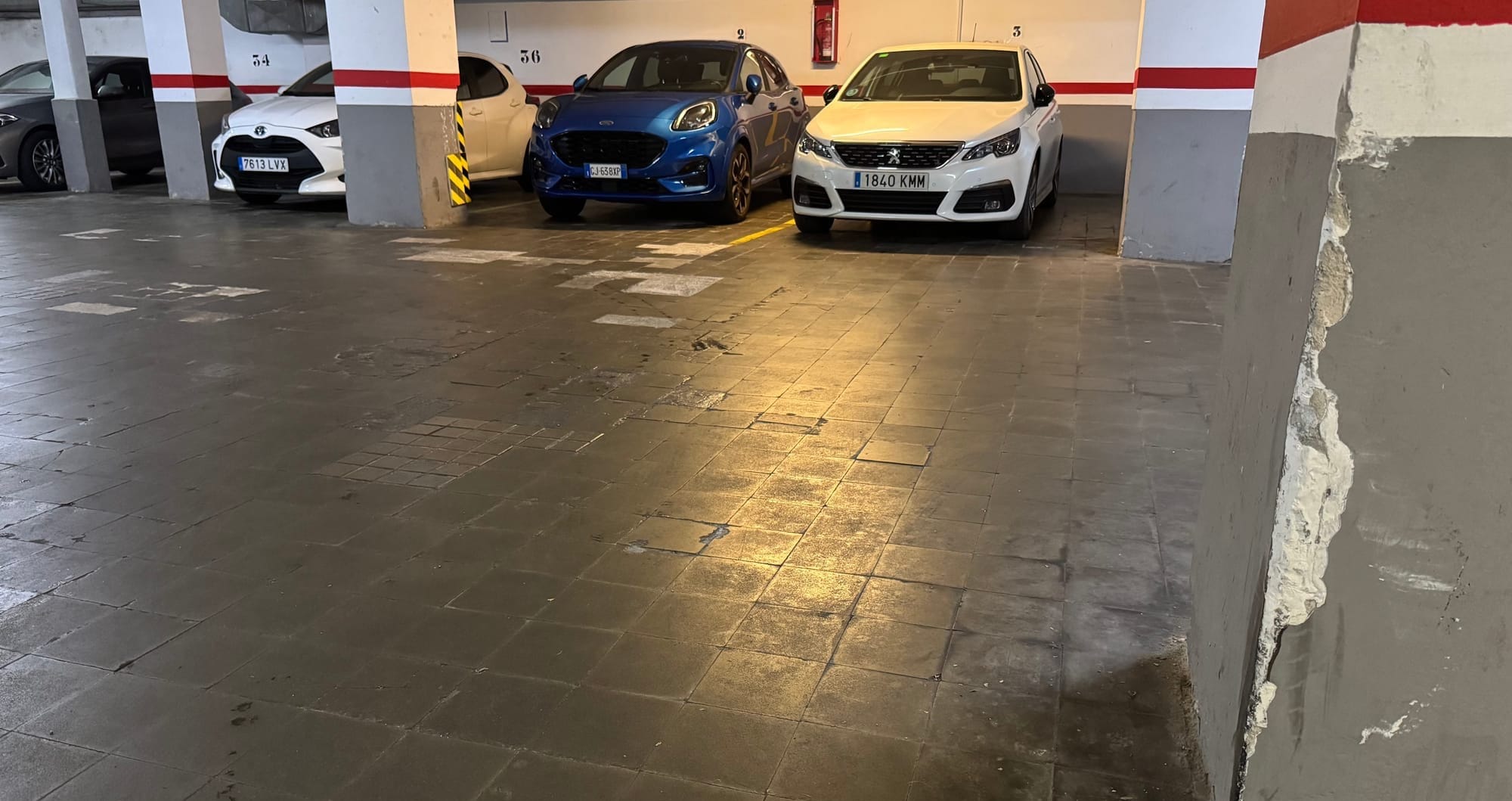
The lanes can be remarkably narrow. Cars pass extremely close to one another. Entrances to side streets leave very little margin for error. Underground car parks can feel like elaborate tests of spatial awareness, with tight ramps, sharp turns and parking spaces that make opening a car door an achievement in itself.
A scratched bumper or a scuffed side of a car does not exactly look unusual here.
And then, one day, we went to IKEA.
I looked at the parking spaces and told Javi: This feels like Poland.
They were wide. Normal. You could open the car door.
Apparently, something I had never considered worth noticing had become a minor luxury.
Barcelona parking is automotive Tetris. Javi plays it. I observe from the passenger seat.
6. The third floor may not really feel like the third floor
Barcelona has introduced me to a rather imaginative approach to counting floors.
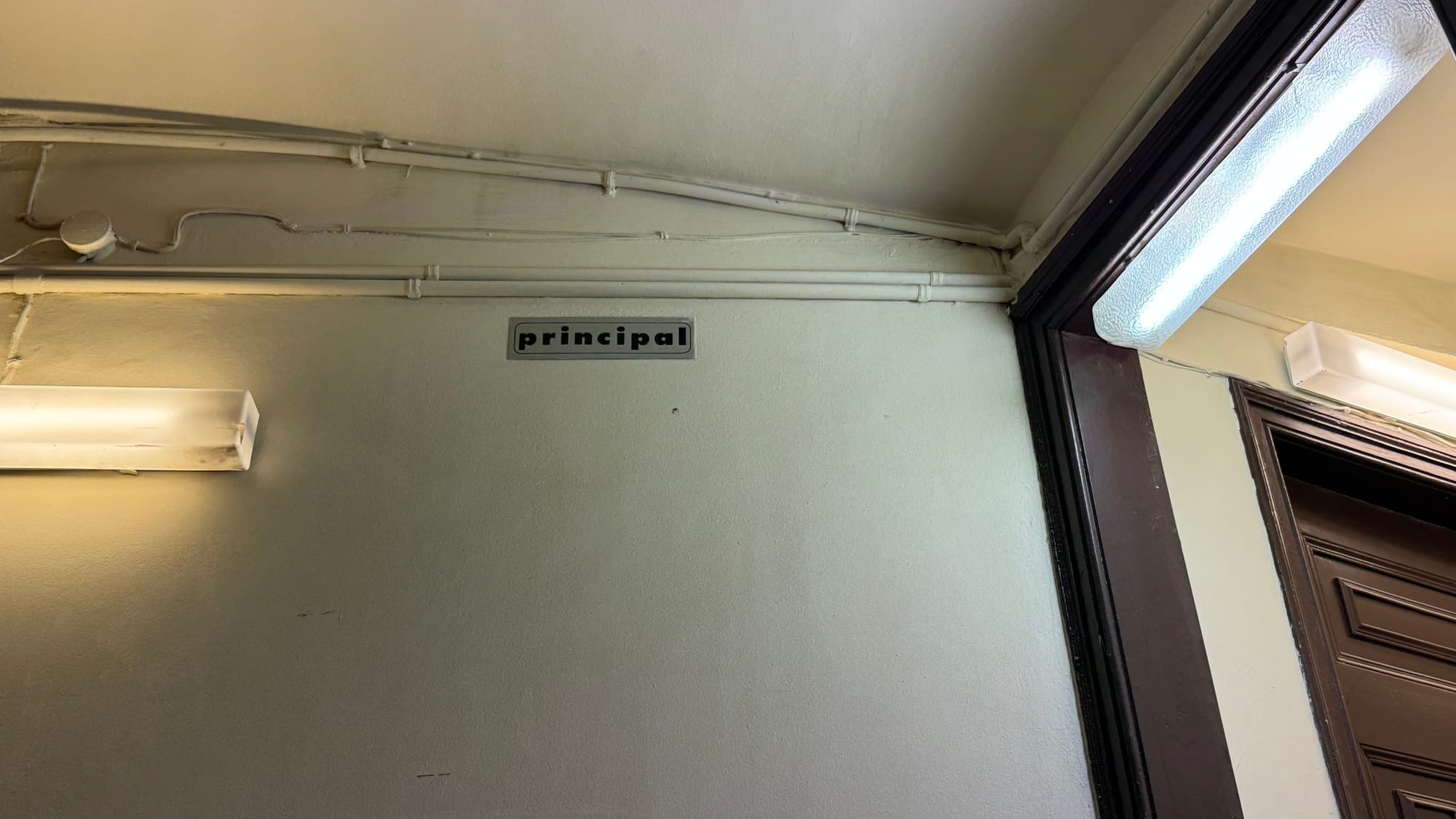
A building may have a ground floor, an entresuelo, a principal and only then the numbered floors. The exact arrangement varies, which means that the number written next to an apartment does not necessarily tell you how many levels actually separate you from the street.
A third-floor apartment can therefore involve rather more climbing than the words third floor initially suggest.
This becomes particularly interesting when there is no lift.
I have learnt not to interpret floor numbers too literally.
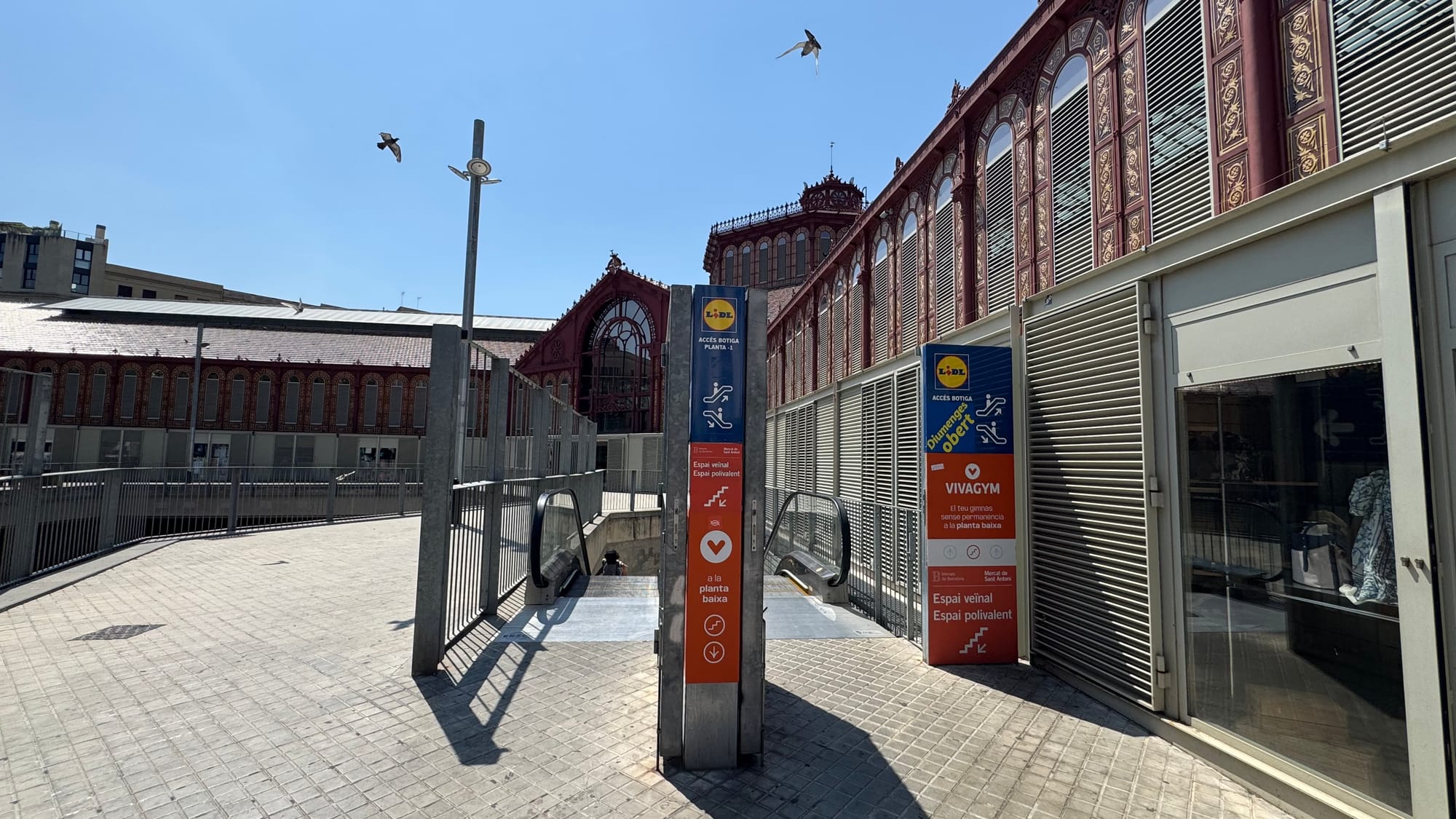
7. There are gyms everywhere
I did not expect the sheer number of gyms.
Around Sant Antoni, it sometimes feels as though you cannot walk very far without encountering another one: large chains, smaller fitness studios and places devoted to more specialised forms of exercise.
I am not going to pretend I have measured the distance between them. I have not. Their density is simply difficult to miss.
My own gym, VivaGym Sant Antoni, is underneath the neighbourhood market. I think that says quite a lot about how thoroughly fitness can be woven into the ordinary infrastructure of the city.
After a while, a gym starts to feel almost as ordinary a part of the streetscape as a pharmacy or a bakery.
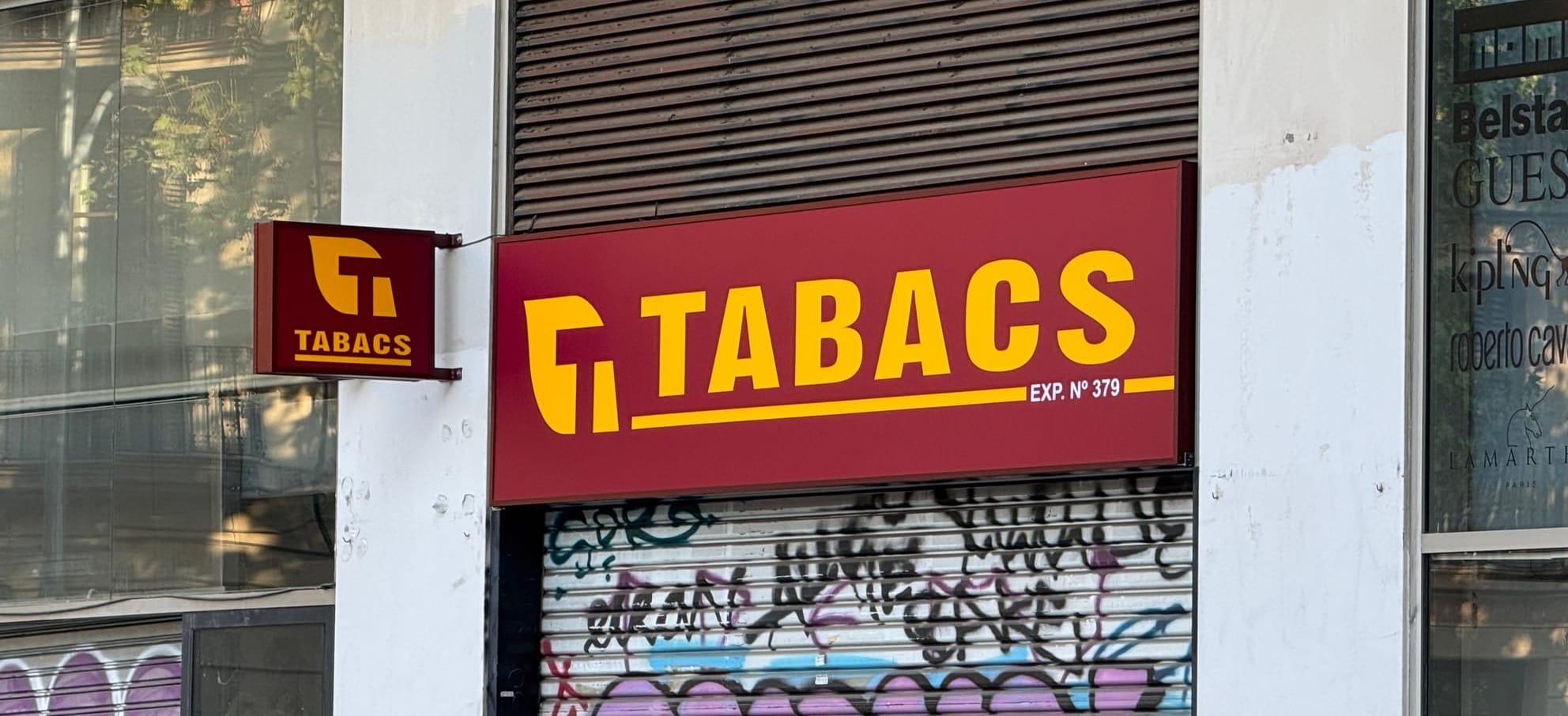
8. Once you notice Tabacs, you see them everywhere
Another thing I started noticing was the sheer number of tobacco shops.
Once you learn to recognise the characteristic TABACS signs, they suddenly seem to become part of the visual grammar of the street.
What initially looked to me like just another type of small shop gradually became something I associated very strongly with everyday urban life here.
9. Tiny neighbourhood shops are still everywhere
This may be one of my favourite things about everyday life in Barcelona.
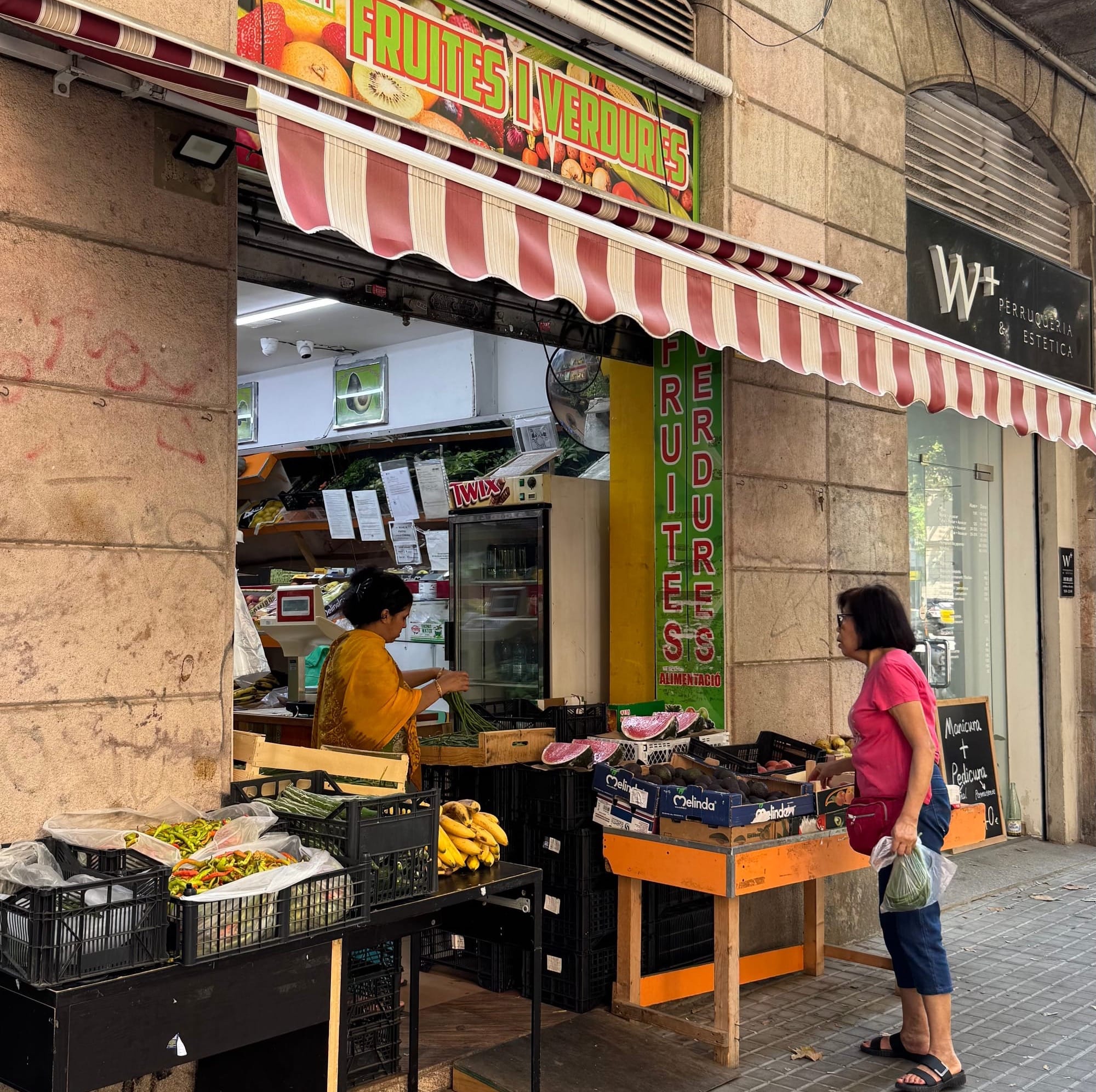
The city obviously has supermarkets and large chains, but they have not erased tiny neighbourhood shops from the streetscape. Small grocery stores, bakeries and convenience shops occupy the ground floors of residential buildings.
And then there are the fruit and vegetable shops.
So many fruit and vegetable shops.
Around Sant Antoni, I can pass several during an entirely ordinary walk through the neighbourhood. Some are tiny, packed with produce and open directly onto the street.
It changes the experience of shopping. You do not necessarily make a separate expedition to buy food. You pick something up because the shop happens to be on the way home.
Retail becomes part of walking through the city.
10. The pavement is not just pavement
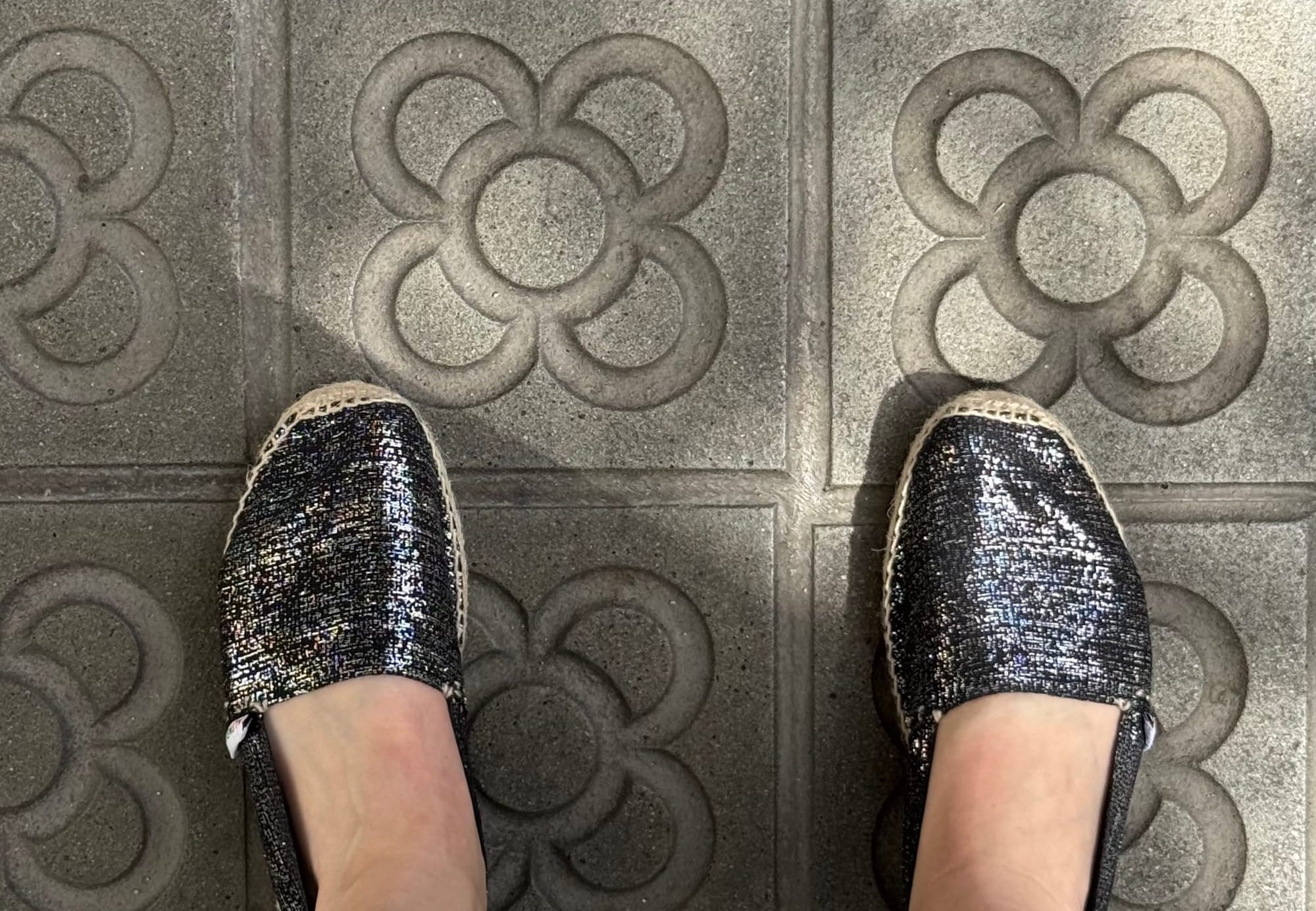
At first, I thought it was simply a pretty paving tile.
Then I started noticing it everywhere.
The panot — particularly the familiar flower design — is such an ordinary part of Barcelona's streets that it is easy to walk over it without thinking about it at all.
Until you notice it.
Then the flower starts appearing everywhere: beneath your feet, in graphic designs, on souvenirs and in visual references to the city.
And Barcelona even has variations within this language of pavement. Passeig de Gràcia has its own distinctive paving design, completely different from the familiar flower tiles found elsewhere.
Apparently, even looking down while walking through Barcelona can teach you something about the city.
The things no guidebook prepares you for
None of these discoveries is spectacular.
That is precisely why I remember them.
The famous differences are easy to anticipate. You know about late dinners before you arrive. You know Barcelona has beaches, Modernisme and hot summers.
Nobody prepares you for the moment when you realise that you have developed an opinion about pavement tiles.
Or that a normal-sized IKEA parking space suddenly reminds you of Poland.
Or that a word painted on a yellow taxi has been quietly misleading you because your brain insists on reading it in Polish.
These are the small glitches of living somewhere else: moments when an assumption you did not even know you had suddenly becomes visible.
And then something else happens.
You stop being surprised.
You know when not to start crossing the street. You stop expecting floor numbers to correspond neatly to the number of levels you have climbed. You recognise the flower beneath your feet without consciously looking for it.
The strange thing becomes ordinary.
And perhaps that is one of the ways a city slowly becomes home.