The Weight of a Holiday

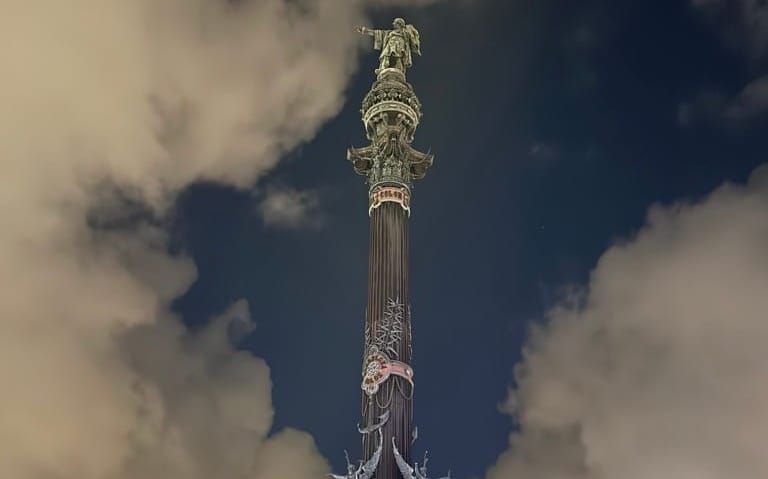
On 12 October, Spain celebrates its National Day, commonly known as Día de la Hispanidad. There are flags, parades and public celebrations. For many people, it is also simply a day off work.
For me, however, it is a complicated holiday.
Last year, I watched some of the celebrations in Barcelona. I remember standing near the Columbus Monument, observing the procession and the people gathered around it. Javi went to greet someone he knew, while I stayed behind, watching.
I was curious about the celebrations, but I didn't quite feel part of them.
The date commemorates Christopher Columbus's arrival in the Americas in 1492, an event that marked the beginning of a profound transformation of the continent. Today, Hispanidad is associated with a shared linguistic and cultural heritage, connecting Spain with much of the Spanish-speaking world.
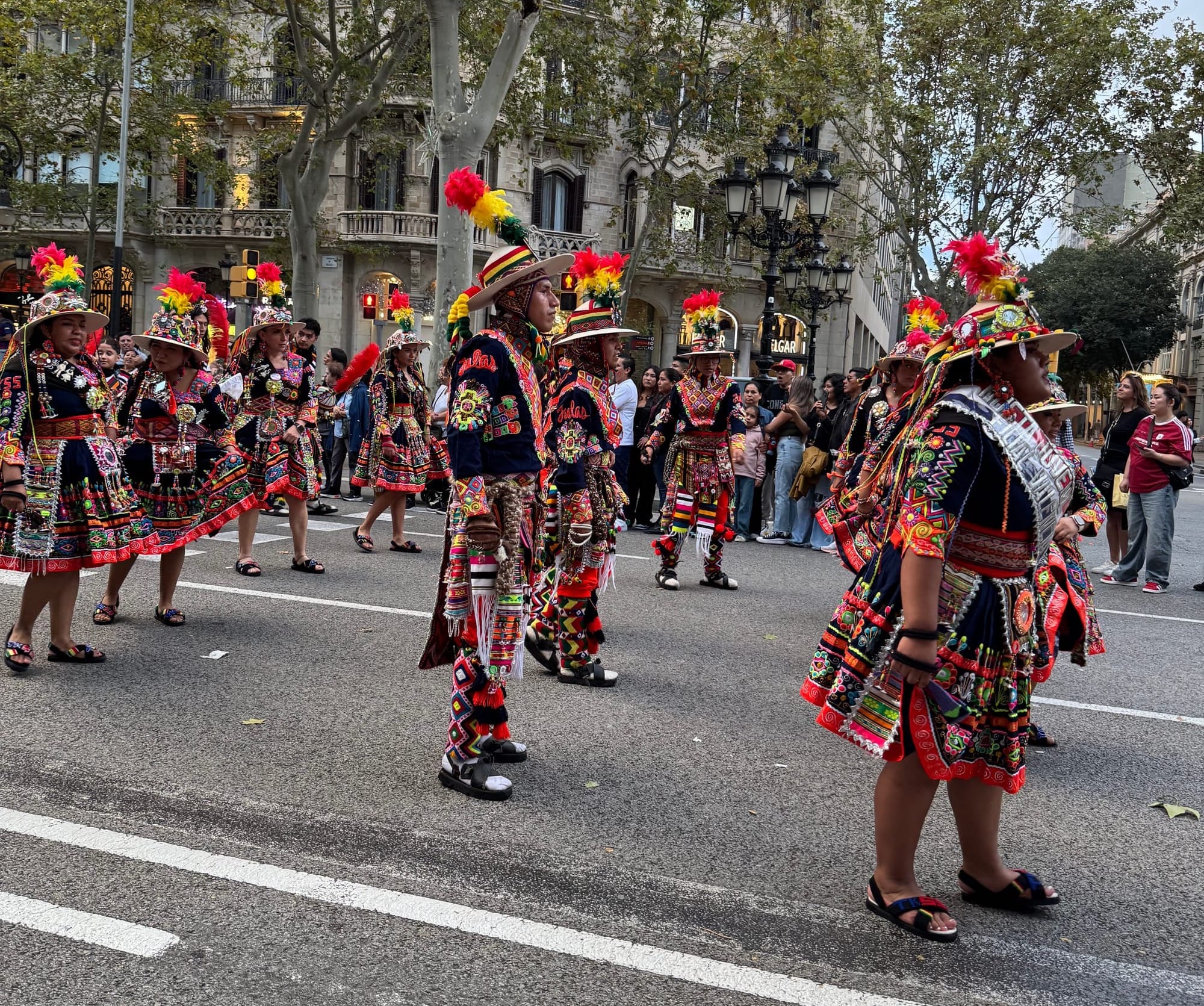
There is something extraordinary about that heritage. Languages, literature, music, traditions and identities have developed through centuries of encounters and exchanges. The cultures of Latin America are rich, complex and very much their own.
But those encounters did not always happen on equal terms.
For me, 12 October is also a reminder of the imposition of Spanish language, religion and institutions on societies that already had their own cultures, beliefs and ways of life. Colonialism was not simply the expansion of geographical boundaries. It involved the power to decide how other people should live, what they should believe and which traditions should survive.
And that is something I find difficult to celebrate.
Perhaps my feelings go back to my university years. I remember being nineteen or twenty, reading about colonialism during my anthropology studies and sometimes crying over what I read. Those books were not merely academic exercises. They shaped the way I began to think about history, culture and power.
More than twenty years later, I can recognise the complexity of colonial history and the cultural worlds that emerged from it. But I have never entirely lost that emotional response.
Last year, standing near the Columbus Monument, I found myself talking to Javi about those old readings. About cultural domination, about the power to define other societies, and about the uneasy relationship between a shared heritage and the circumstances in which it came into being.
And, inevitably, about patriotism.
What does it mean to be Spanish? What does it mean to be Polish? What does it mean to love a country, and who gets to decide which version of its history should represent everyone?
I don't think these questions have simple answers.
I sometimes feel a similar discomfort on 11 November, Poland's Independence Day. The restoration of Polish independence in 1918 is something worth remembering, but the way the holiday is celebrated can also become entangled with nationalism and political movements I do not identify with.
The two holidays have very different histories. Yet both remind me that national identity is never quite as straightforward as flags, parades and official ceremonies might suggest.
I understand that Día de la Hispanidad means different things to different people. For some, it is about national pride. For others, it celebrates a shared language and cultural connections. For others still, it brings back the painful history of colonisation. And for many, it is simply a public holiday.
I am not interested in telling anyone how they should feel about it.
But I cannot separate the idea of Hispanidad from the history of how Spanish language, religion and culture spread across the Americas. A shared cultural world exists today, and there is much within it to appreciate. Yet its formation was also shaped by conquest, coercion and unequal power.
Perhaps that is what makes this holiday so difficult for me. I can appreciate what history has left behind without feeling comfortable celebrating everything that brought it into existence.
Can we celebrate what history has given us without forgetting what it has taken away?


